What is the Internet of Things (IoT)? Explained
Discover what the Internet of Things (IoT) is: a network of connected smart devices exchanging data for efficiency. Explore history, applications, benefits, and future trends in this comprehensive guide.
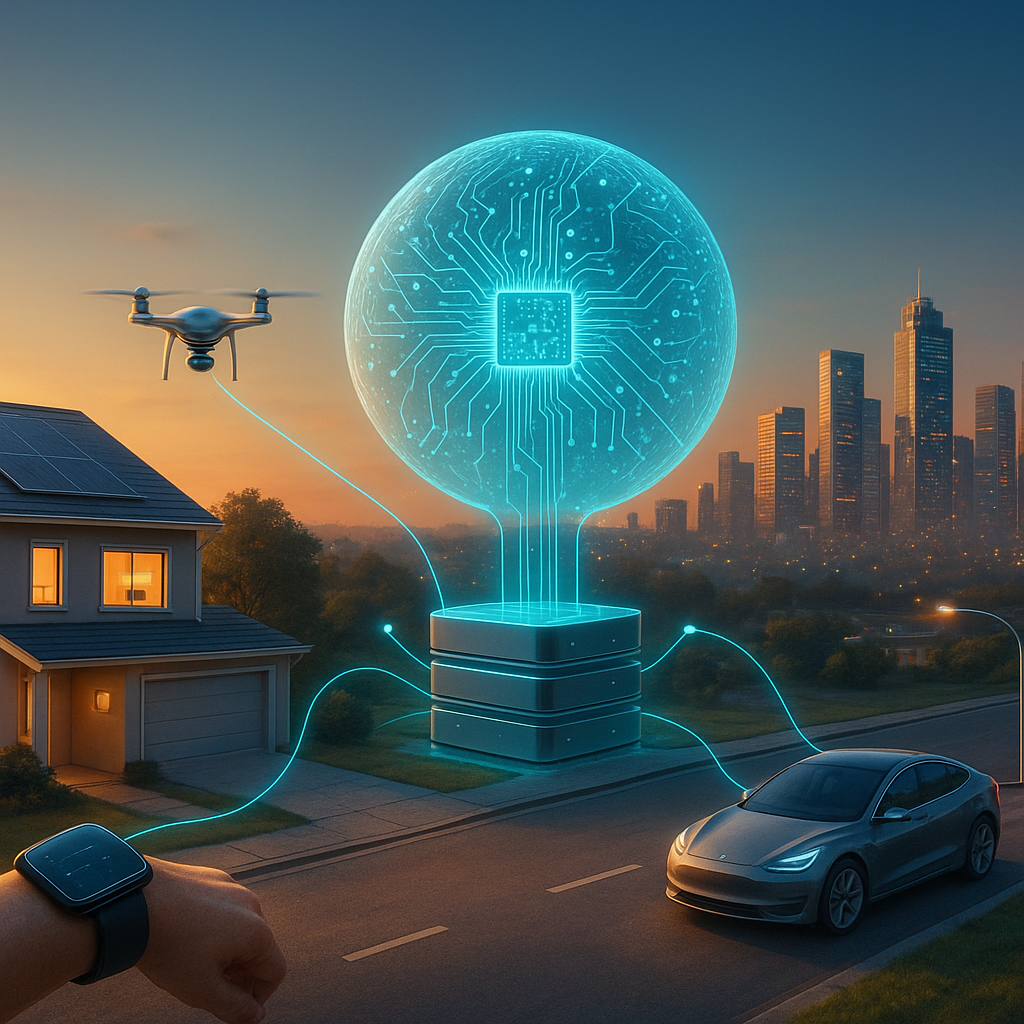
The Internet of Things (IoT) is a vast network of physical objects equipped with sensors, software, and connectivity features that allow them to collect and exchange data over the internet. From smart thermostats in homes to sensors monitoring industrial machinery, IoT transforms everyday devices into intelligent systems. This technology enhances efficiency, convenience, and decision-making across various sectors.
History and Evolution of IoT
The concept of IoT emerged in the late 1990s when Kevin Ashton coined the term while working on RFID technology at Procter & Gamble. Early developments included connecting devices like vending machines to the internet in the 1980s. By the 2010s, advancements in wireless networks, cloud computing, and miniaturization propelled IoT into mainstream adoption, with billions of devices now connected worldwide.
How IoT Technology Works
IoT systems rely on a combination of hardware and software to function seamlessly. Devices gather data through sensors, process it locally or via edge computing, and transmit it to cloud platforms for analysis. Connectivity protocols like Wi-Fi, Bluetooth, and 5G ensure reliable communication.
Sensors and Actuators: Detect environmental changes (e.g., temperature) and perform actions (e.g., turning on lights).
Gateways: Bridge devices to the internet, handling data routing.
Cloud Platforms: Store, analyze, and visualize data using AI for insights.
User Interfaces: Apps or dashboards for monitoring and control.
Real-World Applications of IoT
IoT powers diverse industries by enabling real-time monitoring and automation. In healthcare, wearable devices track vital signs; in agriculture, soil sensors optimize irrigation. Smart cities use IoT for traffic management and waste collection.
Smart Homes: Devices like Nest thermostats adjust temperatures automatically, saving energy.
Industrial IoT (IIoT): Factories monitor equipment to predict maintenance, reducing downtime—as seen in GE's Predix platform.
Healthcare: Remote patient monitors like those from Philips alert doctors to anomalies.
Transportation: Connected vehicles in Tesla's fleet share data for safer autonomous driving.
Benefits and Challenges of IoT
IoT benefits include increased efficiency, cost savings, and data-driven insights. For instance, it can reduce energy use by up to 30% in buildings. However, challenges like cybersecurity risks, interoperability issues, and privacy concerns persist, requiring robust standards and encryption.
Benefits: Scalability, predictive analytics, enhanced user experience.
Challenges: Data security vulnerabilities, high implementation costs, regulatory hurdles.
The Future of IoT
With 5G and AI integration, IoT is poised for exponential growth, potentially connecting over 75 billion devices by 2025. Edge computing will enable faster processing, while standards like Matter improve compatibility. Emerging trends include sustainable IoT for environmental monitoring and metaverse applications.
In conclusion, IoT is revolutionizing how we interact with the world, making it smarter and more connected. As adoption grows, addressing security and ethics will be key to unlocking its full potential. Stay informed to leverage this transformative technology.