What is Artificial Intelligence? A Complete Guide
Discover what artificial intelligence (AI) is, its history, types, applications, and future. Learn how AI powers everyday tech like voice assistants and self-driving cars in this comprehensive guide.
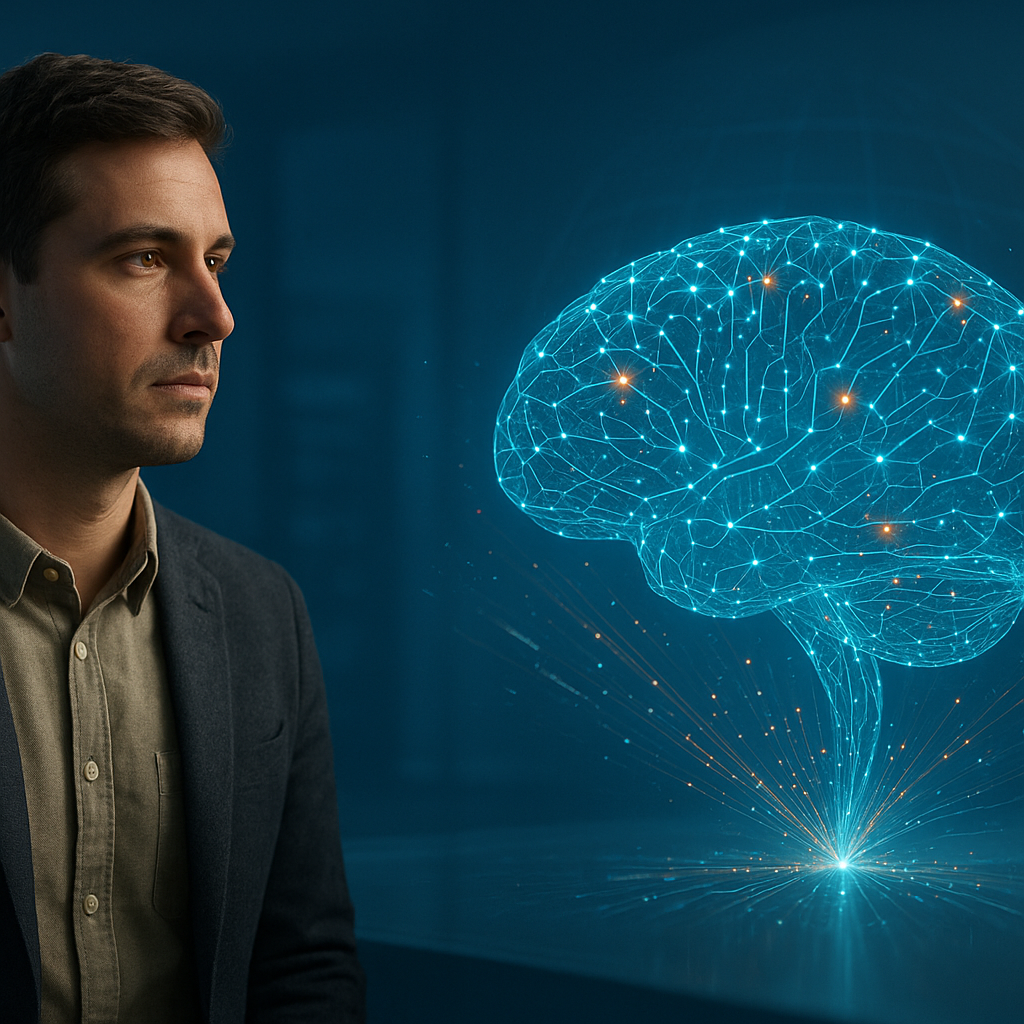
Artificial intelligence (AI) is the simulation of human intelligence in machines programmed to think and learn like humans. It enables computers to perform tasks that typically require human cognition, such as visual perception, speech recognition, and decision-making. From virtual assistants to autonomous vehicles, AI is transforming industries worldwide.
History of Artificial Intelligence
The concept of AI dates back to ancient myths, but modern AI began in the 1950s. Alan Turing proposed the Turing Test in 1950 to evaluate machine intelligence. The term 'artificial intelligence' was coined at the Dartmouth Conference in 1956, marking the field's birth. Early enthusiasm led to 'AI winters' due to unmet expectations, but advancements in computing power revived it in the 2010s.
Types of Artificial Intelligence
AI is categorized by capability and functionality. Narrow AI (ANI) handles specific tasks, like voice recognition. General AI (AGI) aims to perform any intellectual task a human can. Superintelligent AI (ASI) surpasses human intelligence, remaining theoretical.
Reactive Machines: Play chess without learning from past games, e.g., IBM's Deep Blue.
Limited Memory: Learn from data, e.g., self-driving cars using historical traffic data.
Theory of Mind: Understand emotions (emerging research).
Self-Aware AI: Hypothetical, with consciousness.
How Artificial Intelligence Works
AI relies on algorithms and data. Machine learning (ML) is a subset where systems improve from experience without explicit programming. Neural networks mimic the human brain, processing data through interconnected nodes. Deep learning, using multi-layered networks, powers image and speech recognition.
Real-World Applications and Examples
AI is everywhere in daily life. Virtual assistants like Siri and Alexa use natural language processing for voice commands. Recommendation systems on Netflix and Amazon analyze viewing habits to suggest content.
Healthcare: AI detects diseases from X-rays faster than doctors, as in Google's DeepMind.
Autonomous Vehicles: Tesla's Autopilot uses AI for navigation and obstacle avoidance.
Finance: Fraud detection systems flag suspicious transactions in milliseconds.
Ethical Considerations and the Future of AI
AI raises concerns like job displacement, bias in algorithms, and privacy. Organizations like OpenAI emphasize ethical development. The future promises AGI breakthroughs, but regulation is key to ensure benefits outweigh risks.
Conclusion
Artificial intelligence is revolutionizing how we live and work, from smart devices to complex problem-solving. As it evolves, staying informed helps harness its potential responsibly. Explore AI tools today to see its impact firsthand.