What is Artificial Intelligence?
Discover what artificial intelligence (AI) is, its history, types, how it works, real-world applications, and future implications. Explore this transformative technology shaping our world today.
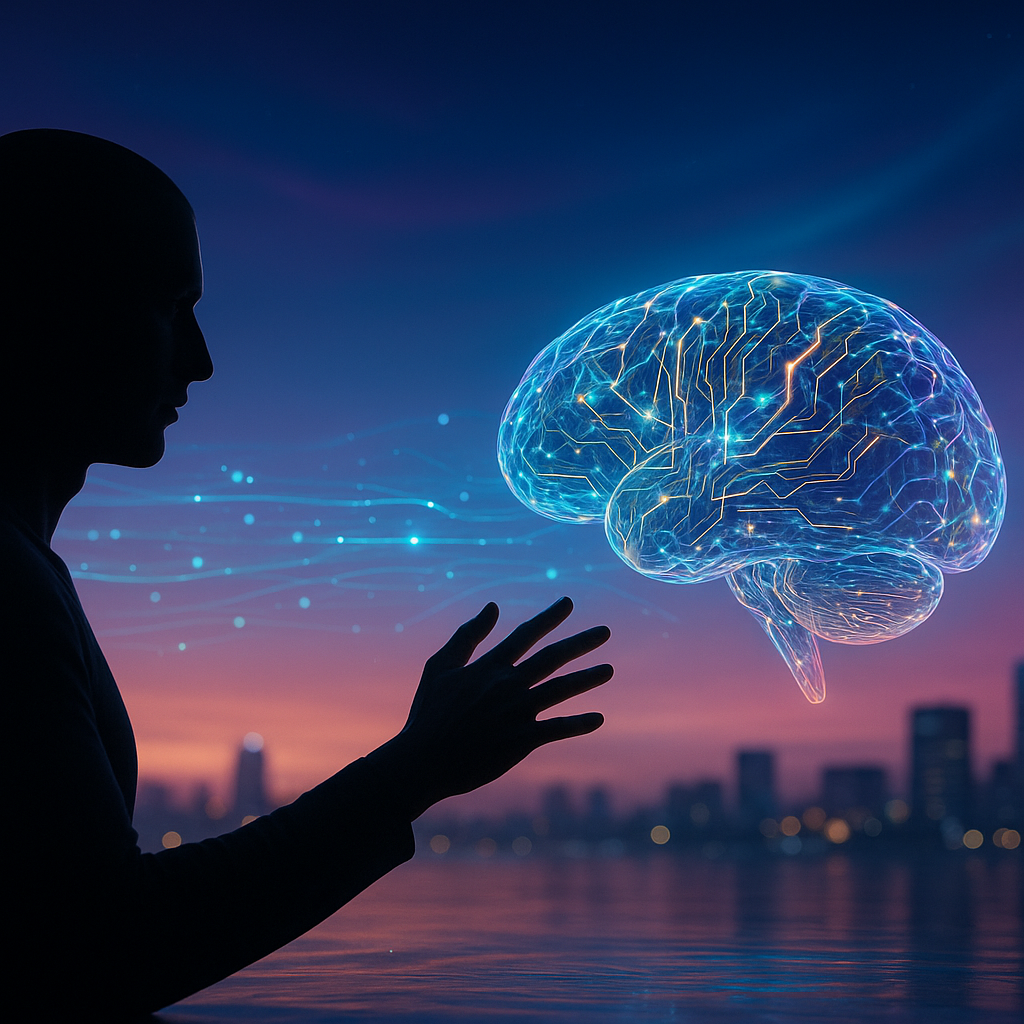
Artificial intelligence (AI) refers to the simulation of human intelligence in machines programmed to think and learn like humans. It enables computers to perform tasks requiring human-like perception, reasoning, and decision-making. From voice assistants to self-driving cars, AI is revolutionizing industries worldwide.
History of Artificial Intelligence
The concept of AI dates back to ancient myths, but modern AI began in the 1950s. Alan Turing's 1950 paper Computing Machinery and Intelligence posed the question, 'Can machines think?' The term artificial intelligence was coined at the 1956 Dartmouth Conference, marking AI's birth as a field. Early successes included programs like ELIZA, a 1960s chatbot simulating a therapist.
1950s-1960s: Symbolic AI and logic-based systems.
1980s: Expert systems boom, followed by 'AI winter' due to funding cuts.
2010s-Present: Deep learning revival with big data and GPUs.
Types of Artificial Intelligence
AI is categorized by capability and functionality. Narrow AI (or weak AI) excels at specific tasks, like facial recognition. General AI aims for human-level versatility across tasks, though not yet achieved. Superintelligent AI remains theoretical, surpassing human intellect.
Reactive Machines: Play chess like IBM's Deep Blue (1997).
Limited Memory: Self-driving cars using past data.
Theory of Mind: Future AI understanding emotions.
Self-Aware AI: Hypothetical conscious machines.
How Artificial Intelligence Works
AI relies on algorithms, data, and computing power. Machine learning (ML), a subset, trains models on data to improve without explicit programming. Neural networks mimic brain neurons, processing inputs through layers to output predictions. Deep learning uses multi-layered networks for complex patterns.
Key processes include data collection, model training, validation, and deployment. For example, recommendation systems on Netflix analyze viewing history to suggest shows.
Real-World Applications of AI
AI powers everyday tools and industries. In healthcare, AI detects diseases from X-rays faster than humans. Autonomous vehicles like Tesla's use AI for navigation and obstacle avoidance.
Virtual Assistants: Siri and Alexa handle voice commands.
Finance: Fraud detection in banking via anomaly spotting.
Entertainment: AI-generated art and music, like DALL-E images.
Challenges and Ethical Considerations
Despite benefits, AI raises concerns like job displacement, bias in algorithms, and privacy issues. AI ethics focuses on fairness, transparency, and accountability. Regulations like the EU AI Act aim to mitigate risks.
In conclusion, artificial intelligence is a powerful tool driving innovation. As it evolves, balancing progress with responsibility will shape a brighter future. Stay informed to harness AI's potential ethically.