Who is Frida Kahlo? Life and Famous Works
Discover Frida Kahlo, the iconic Mexican painter known for her surreal self-portraits exploring pain, identity, and Mexican culture. Explore her biography, influences like Diego Rivera, and must-see masterpieces like The Two Fridas.
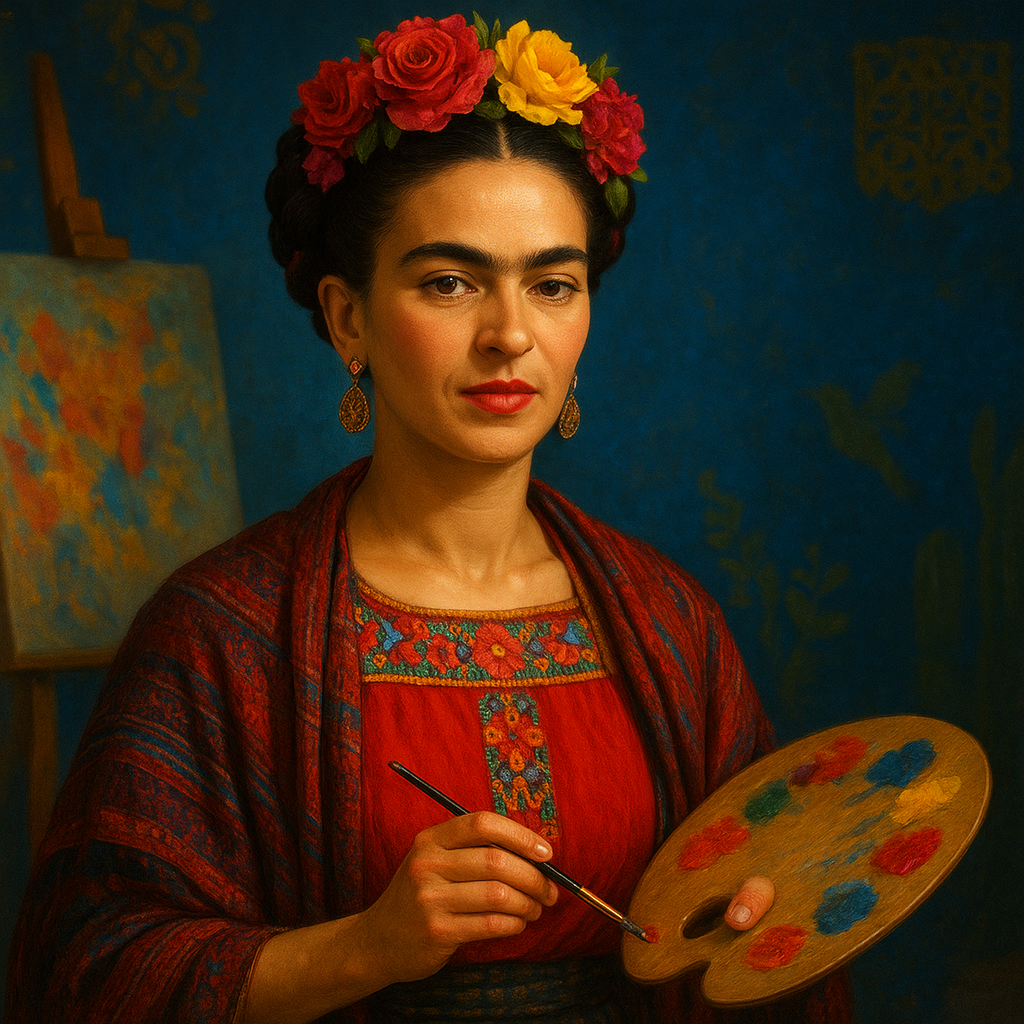
Frida Kahlo was a renowned Mexican painter celebrated for her deeply personal and surreal self-portraits that vividly captured her physical and emotional suffering, Mexican heritage, and feminist spirit. Born in 1907 in Coyoacán, Mexico City, she transformed personal tragedy into powerful art, becoming a symbol of resilience and cultural pride. Her works blend folk art, symbolism, and raw emotion, influencing generations of artists worldwide.
Early Life and Challenges
Frida Kahlo, born Magdalena Carmen Frida Kahlo y Calderón on July 6, 1907, faced adversity from a young age. At six, she contracted polio, which left her right leg thinner and caused lifelong mobility issues. A devastating bus accident at 18 fractured her spine, pelvis, and foot, leading to over 30 surgeries and chronic pain that profoundly shaped her art.
During recovery, Kahlo began painting while bedridden, taught by her father, a photographer. She studied at the National Preparatory School, aspiring to medicine before turning to art. These early hardships fueled her introspective style, turning her body into a canvas of suffering and strength.
Marriage to Diego Rivera and Artistic Influences
In 1929, Kahlo married muralist Diego Rivera, 20 years her senior, in a tumultuous relationship marked by love, infidelity, and mutual artistic inspiration. Rivera encouraged her talent, introducing her to the art world. Their bond, strained by his affairs—including one with her sister—mirrored in her paintings exploring betrayal and identity.
Political Activism: Both joined the Mexican Communist Party, aligning with revolutionary ideals evident in her vibrant use of indigenous symbols.
European Exposure: Trips to Paris and New York in the 1930s connected her with surrealists like André Breton, who dubbed her art 'a ribbon around a bomb'.
Artistic Style and Major Themes
Kahlo's style fused Mexican folk art with surrealism, featuring bold colors, symbolic elements like monkeys (fertility and lust), and thorns (pain). Over 200 paintings, mostly self-portraits, delved into themes of gender, postcolonial identity, miscarriage, and disability. Her unibrow and mustache challenged beauty norms, embracing raw authenticity.
Famous Works of Frida Kahlo
The Two Fridas (1939): Depicts dual versions of herself—one in Tehuana dress, the other European—holding hands with exposed hearts connected by veins, symbolizing her split identity post-divorce from Rivera.
Self-Portrait with Thorn Necklace and Hummingbird (1940): Shows her face pierced by thorns, with a hummingbird (love symbol), monkey, and cat, blending beauty and torment amid lush foliage.
Henry Ford Hospital (1932): A haunting depiction of her 1932 miscarriage, lying naked on hospital sheets with symbolic objects like a fetus and orchid floating above, rawly conveying grief.
Other notables include The Broken Column (1944), portraying her spine as a crumbling column with nails in her body, and Viva la Vida (1954), her last work of watermelons symbolizing life's vitality despite impending death.
Legacy and Cultural Impact
Kahlo died on July 13, 1954, at 47 from poor health, but her fame surged posthumously. The 2002 biopic Frida starring Salma Hayek boosted global interest. Today, her home-turned-museum, Casa Azul, draws millions, and her image adorns fashion, tattoos, and protests as a feminist and LGBTQ+ icon.
Kahlo's art reminds us that vulnerability can forge unbreakable strength. Explore her works to witness a life painted in unyielding color.