What is the Baroque Art Movement? Origins and Key Features
Discover the Baroque art movement: a 17th-century style from Italy known for drama, grandeur, and emotion. Explore origins, characteristics, famous artists like Bernini and Caravaggio, and its lasting legacy in Europe and beyond.
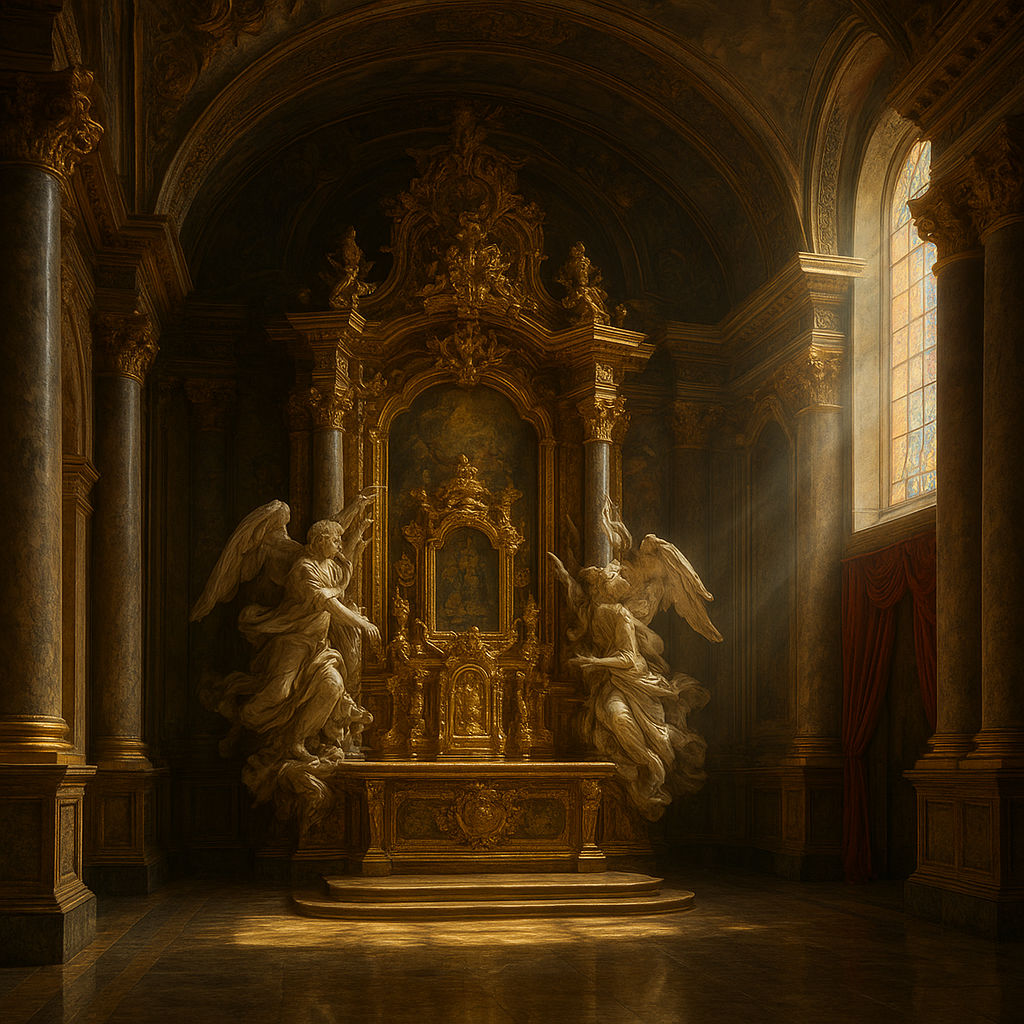
The Baroque art movement emerged in the late 16th century in Italy and flourished across Europe during the 17th century, characterized by its dramatic expression, grandeur, and emotional intensity. It served as a visual tool for the Catholic Church during the Counter-Reformation to inspire awe and reaffirm faith. This ornate style contrasted sharply with the balanced harmony of the Renaissance, embracing movement, contrast, and theatricality.
Origins and Historical Context
Baroque art originated in Rome around 1600, promoted by the Catholic Church to combat the Protestant Reformation. Pope Paul V and later patrons commissioned grand works to evoke spiritual ecstasy. It quickly spread to France, Spain, Flanders, and beyond, adapting to local tastes—such as the more restrained French Baroque under Louis XIV.
Italy: Epicenter with dramatic religious art.
Spain: Intense, mystical works influenced by the Inquisition.
Netherlands: Protestant Baroque focused on secular, realistic portraits.
Key Characteristics of Baroque Art
Baroque works emphasize movement and drama, using swirling forms, bold curves, and dynamic compositions to draw viewers in. Artists mastered chiaroscuro—the play of light and shadow—to create depth and emotion. Opulence defined the style, with rich gilding, marble, and intricate details in painting, sculpture, and architecture.
Grandeur and Scale: Massive ceilings and facades to overwhelm the senses.
Emotional Intensity: Exaggerated gestures and expressions for theatrical effect.
Illusionism: Trompe l'oeil techniques blurring reality and art.
Famous Artists and Iconic Works
Gian Lorenzo Bernini epitomized Baroque sculpture with his Ecstasy of Saint Teresa (1652), capturing spiritual rapture in marble. Caravaggio revolutionized painting with tenebrism in The Calling of Saint Matthew (1600), using stark light to heighten drama. Peter Paul Rubens brought Flemish Baroque vitality in The Descent from the Cross (1612-1614), while Rembrandt's introspective The Night Watch (1642) showcased Dutch mastery.
Bernini's St. Peter's Square: Colonnades embracing pilgrims like open arms.
Versailles Palace: French Baroque architecture symbolizing absolute monarchy.
Velázquez's Las Meninas: Spanish court's playful spatial illusion.
Influence and Legacy
Baroque influenced Rococo in the 18th century, softening into playful elegance, and extended to music with composers like Bach and Vivaldi. Colonial empires exported it to Latin America, seen in Mexico City's Metropolitan Cathedral. Today, Baroque inspires film, theater, and modern design for its emotional power.
In summary, the Baroque art movement transformed visual culture by prioritizing passion over proportion, leaving an indelible mark on Western art. Visiting sites like the Vatican or Prado Museum offers a firsthand glimpse into its splendor.