What is Impressionism and Its Key Artists?
Discover **Impressionism**, the revolutionary 19th-century art movement. Learn its origins, techniques like loose brushstrokes, and famous representatives like Monet, Renoir, and Degas. Explore iconic works and lasting influence on modern art.
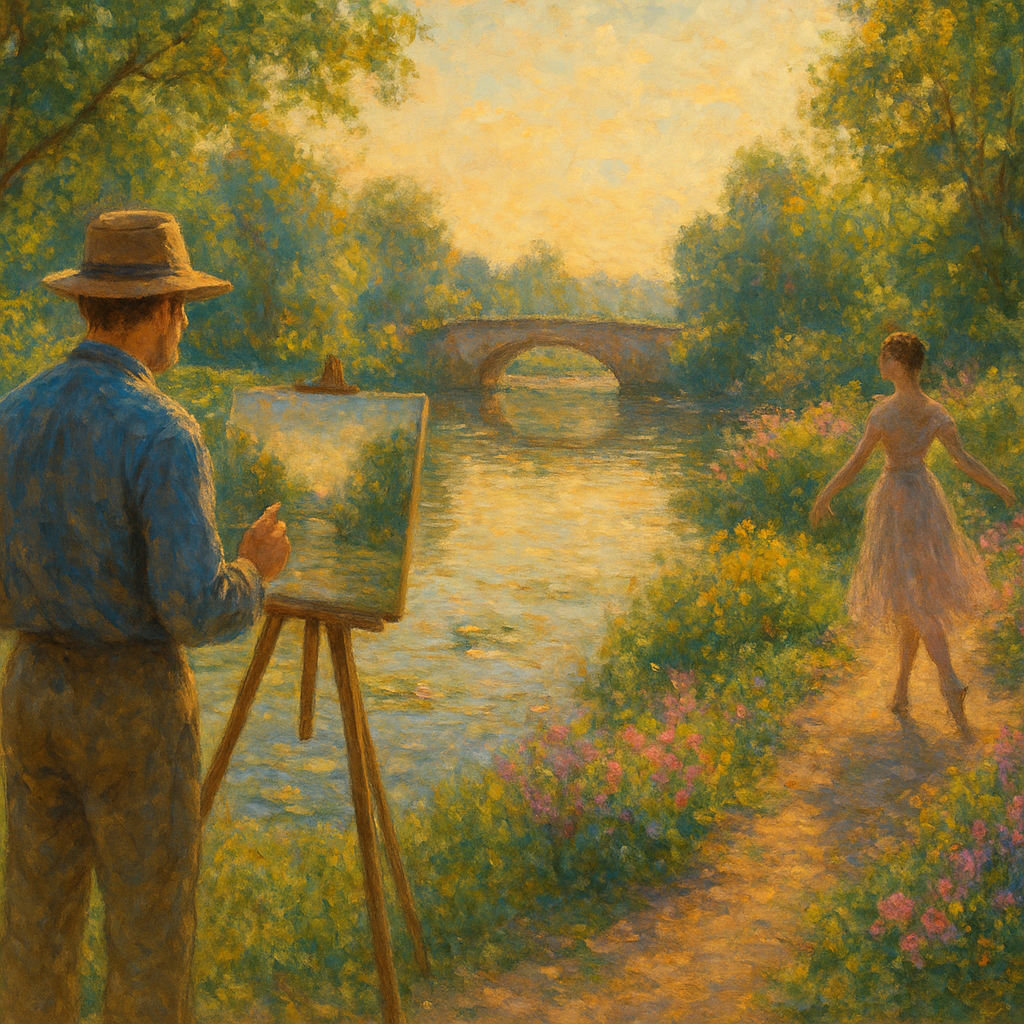
Impressionism was a groundbreaking 19th-century art movement that emerged in France, emphasizing the effects of light and color over realistic detail. Artists captured fleeting moments from everyday life using innovative techniques like loose brushstrokes and vibrant palettes. This style challenged traditional academic art and paved the way for modern painting.
Origins and History of Impressionism
Impressionism originated in the late 1860s in Paris, France, amid rapid urbanization and industrialization. A group of artists, frustrated with the rigid rules of the official Salon exhibitions, began organizing independent shows. The term 'Impressionism' came from Claude Monet's painting Impression, Sunrise (1872), mockingly coined by critic Louis Leroy. Their first collective exhibition in 1874 marked the movement's official debut, featuring works that prioritized sensory experience over precise representation.
Key Characteristics of Impressionist Art
Impressionist paintings focus on capturing the transient qualities of light, atmosphere, and movement. Artists painted en plein air (outdoors) to directly observe nature, using small, visible brushstrokes and unmixed colors to suggest form rather than define it. This created a sense of immediacy and vibrancy, breaking from the dark, detailed styles of Realism.
Loose brushwork: Quick, dabbing strokes to mimic light effects.
Bright, pure colors: Applied directly without blending on the canvas.
Everyday subjects: Scenes of urban life, landscapes, and leisure activities.
Emphasis on light and shadow: Changing conditions throughout the day.
Prominent Representatives of Impressionism
The core Impressionists were a close-knit group who exhibited together multiple times. Their diverse styles united by a shared vision revolutionized art. Key figures include painters who pushed boundaries in depicting modern life.
Claude Monet: Founder figure, known for series like Water Lilies and Haystacks, obsessively exploring light variations.
Pierre-Auguste Renoir: Celebrated joyful scenes of people, as in Luncheon of the Boating Party, with warm, luminous skin tones.
Edgar Degas: Focused on ballet dancers and urban scenes, blending Impressionist light with precise composition.
Camille Pissarro: Rural landscapes and mentor to others, emphasizing atmospheric effects.
Alfred Sisley: Pure landscapist, capturing serene river scenes and snowy vistas.
Mary Cassatt: American expatriate, portrayed intimate mother-child moments with fresh perspectives.
Notable Works and Real-World Examples
Iconic Impressionist works demonstrate the movement's innovation. Monet's Impression, Sunrise (1872) depicts Le Havre harbor at dawn, its hazy glow inspiring the name. Renoir's Dance at Le Moulin de la Galette (1876) buzzes with Parisian revelry under dappled sunlight.
Monet's Rouen Cathedral series (1890s): Shows the same facade under varying light, highlighting time's passage.
Degas' The Ballet Class (1874): Captures dancers' grace with unconventional angles.
Cassatt's The Child's Bath (1893): Tender domesticity rendered in soft, glowing hues.
Legacy and Influence
Impressionism profoundly shaped 20th-century art, influencing Post-Impressionists like Van Gogh and leading to movements like Fauvism and Abstract Expressionism. Today, its works fetch record prices at auctions, and museums worldwide celebrate its accessibility. The movement reminds us that art can capture life's ephemeral beauty, encouraging viewers to see the world anew.