What Is the History and Importance of the Olympic Games?
Discover the rich history of the Olympic Games from ancient Greece to modern times, and explore their profound importance in promoting global unity, athletic excellence, and cultural exchange. Learn key events, traditions, and impacts.
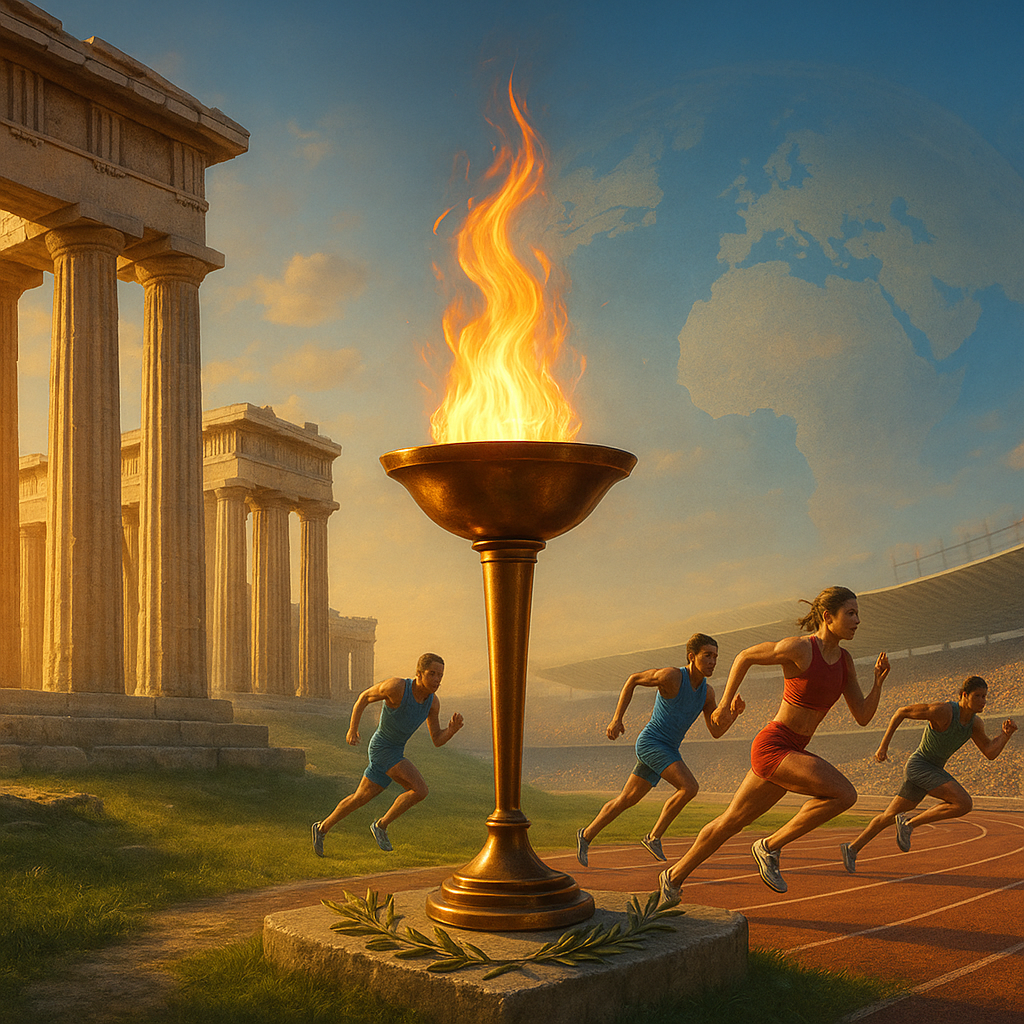
The Olympic Games are the world's foremost international multi-sport event, symbolizing peace, excellence, and unity. Originating in ancient Greece over 2,700 years ago, they were revived in the late 19th century and have grown into a global phenomenon. Their history reflects humanity's enduring pursuit of physical and mental achievement, while their importance lies in fostering international cooperation and inspiring billions.
Origins of the Ancient Olympic Games
The ancient Olympic Games began in 776 BCE in Olympia, Greece, dedicated to the god Zeus. Held every four years, known as an Olympiad, they featured athletic competitions like running, wrestling, and chariot racing. These games were a religious festival attracting competitors and spectators from across the Greek world, pausing wars under the sacred truce.
Foot races: The stadion race, about 192 meters, was the original event.
Combat sports: Including pankration, a brutal mix of wrestling and boxing.
Equestrian events: Chariot races that showcased wealth and skill.
Winners received olive wreaths and eternal fame through statues and poetry. The games declined after the Roman Emperor Theodosius I banned them in 393 CE, viewing them as pagan.
Revival of the Modern Olympic Games
In 1894, French educator Pierre de Coubertin proposed reviving the Olympics to promote physical education and international friendship. The first modern Summer Olympics occurred in Athens, Greece, in 1896, with 241 athletes from 14 nations. The Winter Olympics debuted in 1924 in Chamonix, France.
1896 Athens: Marked the rebirth with events like marathon, inspired by ancient legend.
1900 Paris and 1904 St. Louis: Expanded participation despite organizational challenges.
1936 Berlin: Infamous for Nazi propaganda but highlighted by Jesse Owens' triumphs.
Today, the Olympics occur every four years, alternating Summer and Winter, hosted by different cities under the International Olympic Committee (IOC).
Key Symbols and Traditions
Iconic symbols include the five interlocking Olympic rings, representing the five continents united in competition. The Olympic Torch relay symbolizes peace and continuity from ancient fires. The motto Citius, Altius, Fortius ('Faster, Higher, Stronger') embodies the spirit of improvement.
Opening Ceremony: Features parades of nations and lighting of the cauldron.
Medals: Gold, silver, and bronze awarded, with national anthems for victors.
Olympic Village: Athletes live together, promoting camaraderie across borders.
Global Importance and Impact
The Olympics transcend sports, acting as a platform for diplomacy and social change. They unite over 200 nations, promoting gender equality—women first competed in 1900 and now comprise nearly half of athletes. Economically, host cities gain infrastructure boosts, though challenges like costs persist.
Cultural exchange: Showcases global diversity through performances and arts.
Inspiration: Icons like Muhammad Ali (1996 torch lighting) and Simone Biles embody resilience.
Peace symbol: IOC's neutrality during conflicts underscores unity.
The games have driven advancements in sports science, anti-doping measures, and youth programs worldwide.
Conclusion: Enduring Legacy
From ancient rituals to a televised spectacle watched by billions, the Olympic Games remain vital for celebrating human potential and bridging divides. Their history teaches perseverance, while their importance inspires future generations to strive for excellence. As the world anticipates events like the 2024 Paris Olympics, the flame of Olympism burns brighter than ever.