What Are the Olympic Games? History and Events
Discover the Olympic Games, the world's premier international multi-sport event held every four years. Learn about their ancient origins, modern revival, summer and winter editions, iconic events, and global impact on athletes and cultures.
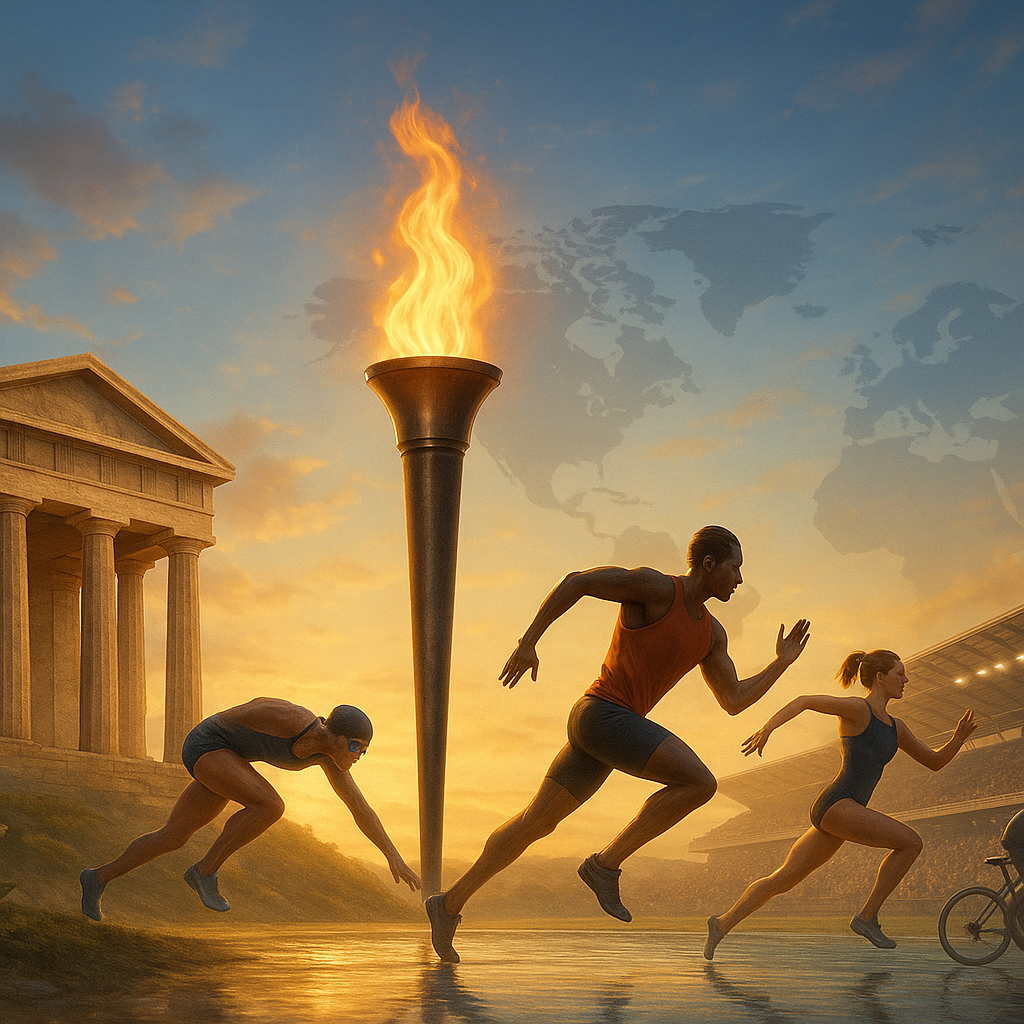
The Olympic Games are the world's largest and most prestigious international multi-sport events, bringing together athletes from nearly every nation to compete in a wide array of sports. Held every four years, they include both Summer Olympics and Winter Olympics, fostering global unity through athletic excellence and fair play. Originating in ancient Greece, the modern Games symbolize peace, perseverance, and the human spirit.
Ancient Origins of the Olympic Games
The Olympic Games trace their roots to ancient Olympia in Greece, dating back to 776 BCE. Initially a religious festival honoring Zeus, they featured foot races and evolved to include wrestling, boxing, and chariot racing. Competitions occurred every four years during a sacred truce, halting wars among Greek city-states and drawing thousands of spectators.
Ancient athletes were often professionals who trained rigorously and competed nude to emphasize physical perfection. Winners received olive wreaths and eternal fame through statues. The Games declined with the rise of Christianity in the 4th century CE, leading to their abolition in 393 CE by Emperor Theodosius I.
Revival of the Modern Olympic Games
The modern Olympics were revived in 1896 by Frenchman Pierre de Coubertin, inspired by ancient ideals and the need for international unity. The first modern Games in Athens featured 241 athletes from 14 nations competing in 43 events. Coubertin's vision emphasized amateurism, education through sport, and the motto Citius, Altius, Fortius (Faster, Higher, Stronger).
1896 Athens: Marked the rebirth with track and field dominance by American athletes.
1900 Paris: Introduced women for the first time in tennis and golf.
1936 Berlin: Infamous for Nazi propaganda but highlighted by Jesse Owens' four gold medals.
Summer and Winter Olympics: Key Differences
Summer Olympics occur every four years in a host city, featuring over 30 sports like athletics, swimming, gymnastics, and team sports such as soccer and basketball. They attract over 10,000 athletes and billions of viewers. Winter Olympics, first held in 1924 in Chamonix, France, focus on snow and ice sports including skiing, figure skating, ice hockey, and bobsled.
- Summer Games: Held in odd-numbered years (e.g., 2024 Paris), emphasize endurance and speed.
- Winter Games: Also every four years but offset (e.g., 2022 Beijing), highlight precision on frozen surfaces.
- Youth Olympics: Biennial events for athletes under 18, promoting future stars.
Iconic Olympic Events and Traditions
Signature elements include the Olympic Rings—five interlocking circles representing the five continents united in competition—and the Olympic Torch Relay, where the flame is lit in Olympia and carried worldwide to the opening ceremony. Medal ceremonies feature national anthems and the raising of flags, creating emotional highs.
Marathon: Honors ancient Greek legend Pheidippides' run from Marathon to Athens.
100m Sprint: The 'blue riband' event, testing pure speed; Usain Bolt holds records.
Figure Skating: Winter showcase of artistry and athleticism, popularized by stars like Michelle Kwan.
Global Impact and Future of the Olympics
The Olympics drive economic growth for host cities, promote gender equality (now nearly 50% female athletes), and address issues like doping via the World Anti-Doping Agency. They unite 206 National Olympic Committees under the International Olympic Committee (IOC). Future Games, like Los Angeles 2028, aim for sustainability and inclusivity.
Challenges include high costs and politicization, yet the Games remain a beacon of hope. Examples like the 1980 and 1984 boycotts highlight tensions, but triumphs such as Muhammad Ali lighting the 1996 Atlanta flame underscore resilience.