Origins and Traditions of Kırkpınar Oil Wrestling?
Discover the ancient origins of Kırkpınar Yağlı Güreşleri, Turkey's iconic oil wrestling festival dating back to the 14th century. Explore rituals, rules, attire, and modern celebrations in Edirne, a UNESCO-recognized tradition blending strength, honor, and culture.
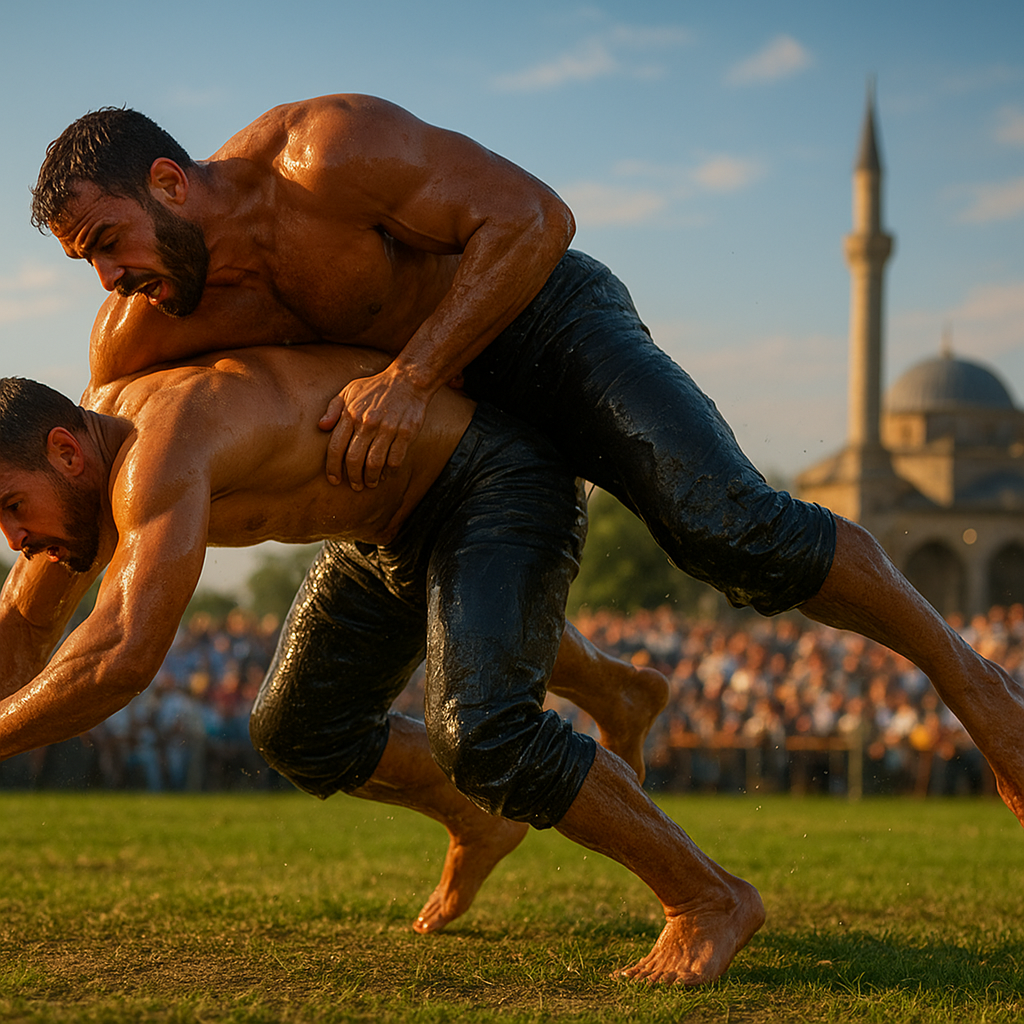
Kırkpınar Yağlı Güreşleri, or Kırkpınar Oil Wrestling, is Turkey's most prestigious traditional wrestling event, held annually in Edirne since the 14th century. This UNESCO-listed intangible cultural heritage combines athletic prowess, ancient rituals, and communal celebration. Wrestlers, known as pehlivans, compete in olive oil-smeared bouts that test endurance, skill, and spirit.
Historical Origins of Kırkpınar Oil Wrestling
The festival traces its roots to 1362, when Ottoman soldiers under Süleyman Paşa reportedly wrestled beneath a pear tree near Samokova, Bulgaria, to settle a dispute. Seeking a permanent site with abundant water, they discovered Kırkpınar—named for its forty springs (kırk pınar)—in today's Edirne Province. The first official records date to 1363, evolving from military training into a national tradition during the Ottoman Empire.
Over centuries, it became a symbol of Turkish valor. By the 15th century, sultans patronized the event, solidifying its cultural status. Today, it attracts thousands, preserving Ottoman-era customs amid modern spectacles.
Traditional Attire and Rules
Pehlivans wear kispet, specially crafted leather pants reaching the knees, symbolizing humility and readiness. Before bouts, wrestlers are anointed with olive oil from sacred sources, making grips slippery and defenses challenging. Matches have no time limits or weight classes, continuing until one pehlivan pins both shoulders of his opponent to the ground—a feat called paça kazık.
Endless rounds: Bouts pause at dusk and resume at dawn if unresolved, testing stamina over days.
No weight divisions: Emphasizes skill over size, with over 1,000 competitors in various elimination stages.
Ground wrestling: Victory requires full shoulder contact with earth, preventing quick submissions.
Rituals and Ceremonies in Kırkpınar
The Kırkpınar Ağası (Elder), elected for life, oversees the event with authority akin to a village chief. Opening ceremonies feature the peşrev parade, where pehlivans circle the field to mehter martial music and davul-zurna drums. A ritual oiling by attendants and blessings from religious leaders invoke protection and fair play.
Cirit game: Horsemen play a traditional javelin sport as a festive prelude.
Kurban sacrifice: A bull is offered post-victory, with meat distributed to crowds.
Başpehlivan crowning: The champion receives a cauldron of oil and a purse, hoisting the Kırkpınar belt.
Modern Festival and Notable Examples
Held June 28 to July 1 (Julian calendar dates), the four-day event draws global crowds to Er Meydanı field. It features 16 brackets culminating in the final grande. Legendary pehlivans include Koca Yusuf (19th century, unbeatable giant) and Orhan Okulu (20-time champion). Recent winners like Ali Gürbüz (12 titles) blend tradition with athletic training.
Cultural Significance and Legacy
Kırkpınar embodies Turkish values of honor, brotherhood, and resilience, fostering mentorship among pehlivans. Recognized by UNESCO in 2010, it inspires similar events worldwide while adapting to draw tourists.