What is Lake Baikal? Deepest Lake Facts
Discover Lake Baikal, the world's deepest and oldest freshwater lake in Siberia, Russia. Learn about its unique biodiversity, geological wonders, UNESCO status, and conservation efforts in this comprehensive guide.
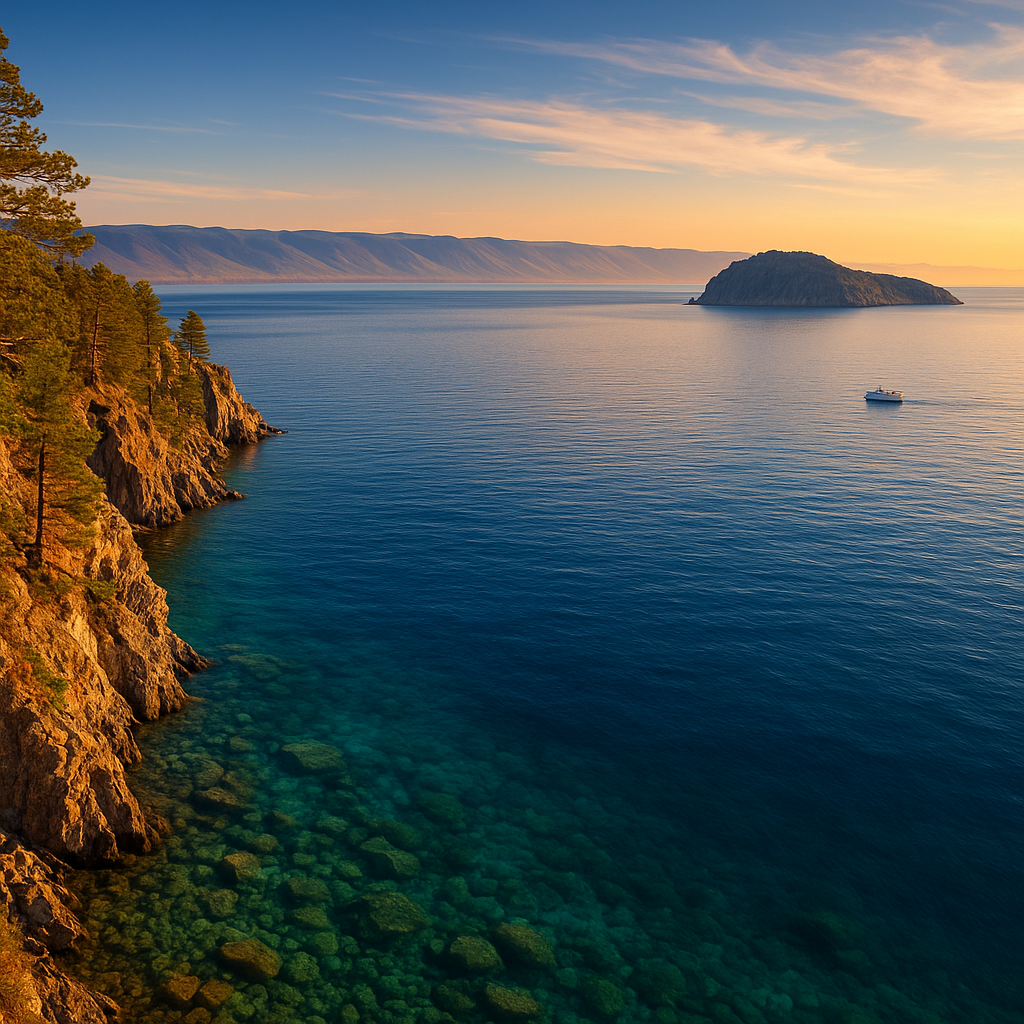
Lake Baikal, often called the 'Pearl of Siberia,' is the deepest and oldest freshwater lake in the world, located in southern Siberia, Russia. Spanning over 31,000 square kilometers, it holds about 20% of the planet's unfrozen surface freshwater. This UNESCO World Heritage Site is renowned for its stunning clarity, extreme depth of 1,642 meters, and extraordinary biodiversity.
Geography and Physical Features
Nestled between the Buryat Republic and Irkutsk Oblast, Lake Baikal stretches 636 kilometers long and up to 79 kilometers wide, resembling a crescent moon from above. Its surface freezes solid in winter, creating a natural ice road up to two meters thick, while the water remains remarkably clear year-round due to unique filtration by microorganisms. The lake is surrounded by the Baikal Mountains, with peaks rising over 2,000 meters.
Depth: 1,642 meters – deeper than the height of many skyscrapers.
Volume: 23,615 cubic kilometers, more than all North American Great Lakes combined.
Age: 25-30 million years, making it geologically ancient.
Geological Formation and History
Lake Baikal formed during the Oligocene epoch through tectonic rifting in the Baikal Rift Zone, one of the few active continental rifts on Earth. This ongoing process causes minor earthquakes and gradual expansion. Fossil evidence shows it has remained a stable freshwater ecosystem for millions of years, predating the Ice Ages.
Unique Biodiversity and Wildlife
Home to over 1,700 plant species and 2,500 animal species, about 80% of which are endemic, Lake Baikal boasts unparalleled biodiversity. The Baikal seal (nerpa), the only exclusively freshwater seal species, thrives here and can be spotted sunbathing on rocky shores. Epischura baikalensis, a tiny copepod, filters the water, keeping it pristine.
Omul fish: A delicacy smoked and sold locally, vital to indigenous Evenki people.
Golomyanka: Transparent oil fish that makes up 80% of the lake's biomass.
Sponges: Over 18 species, forming vibrant underwater forests.
Cultural and Economic Significance
For centuries, indigenous Buryat and Evenki peoples have revered Lake Baikal as sacred, using it for fishing and spiritual rituals. Today, it attracts over a million tourists annually for activities like ice trekking and diving. Economically, it supports fisheries yielding 4,000-5,000 tons of fish yearly, though sustainable practices are enforced.
Conservation Challenges and Efforts
Designated a UNESCO site in 1996, Lake Baikal faces threats from pollution, invasive species, and climate change, which is warming its waters. Russian and international efforts, including the Baikal Natural Territory, monitor water quality and limit industrial activity around the lake.
Baikal seals: Population stable at 100,000-120,000, protected since 1930.
Cleanup initiatives: Annual programs remove waste from tributaries.
Visiting Lake Baikal: Tips and Attractions
Popular spots include Olkhon Island, the largest on the lake, with shamanic rock formations, and Listvyanka village for museums and markets. Winter offers ice caves and circumnavigations by truck, while summer brings hiking in Pribaikalsky National Park.