What is DNA and How Does It Carry Genetic Information?
Discover what DNA is, its double helix structure, and how it stores and transmits genetic information through nucleotide sequences. Explore replication, gene expression, and real-world examples in this comprehensive guide to the molecule of life.
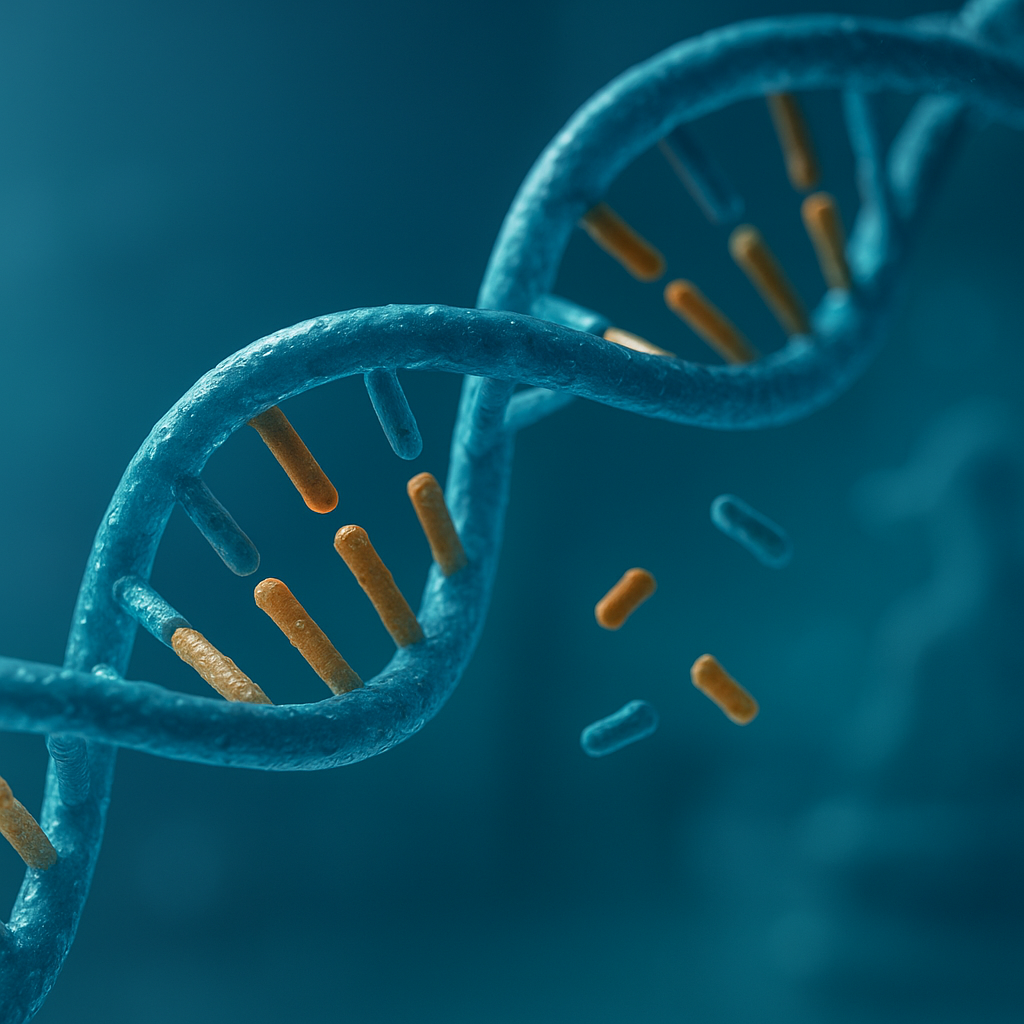
DNA, or deoxyribonucleic acid, is the fundamental molecule that carries genetic instructions for the development, functioning, growth, and reproduction of all known living organisms. It serves as the blueprint of life, encoding information in a sequence of chemical building blocks called nucleotides. Understanding how DNA stores and transmits this genetic information reveals the basis of heredity and biological diversity.
The Structure of DNA
DNA has a iconic double helix structure, discovered by James Watson and Francis Crick in 1953, with contributions from Rosalind Franklin and Maurice Wilkins. It consists of two long strands twisted around each other like a spiral ladder. Each strand is made of a sugar-phosphate backbone, with rungs formed by pairs of nitrogenous bases: adenine (A) pairs with thymine (T), and cytosine (C) pairs with guanine (G).
Adenine (A) - Thymine (T): Connected by two hydrogen bonds.
Cytosine (C) - Guanine (G): Connected by three hydrogen bonds, providing stability.
Deoxyribose sugar and phosphate: Form the structural backbone of each strand.
How DNA Stores Genetic Information
Genetic information is stored in the sequence of these four bases along the DNA strand, much like letters in a book form words and sentences. The order of A, T, C, and G determines the instructions for building proteins, which perform most life functions. Genes are specific segments of DNA that code for particular proteins or functional RNA molecules.
This linear code allows for immense variety; the human genome has about 3 billion base pairs, yet only a fraction codes for genes. The rest regulates gene activity or has structural roles. The precise sequence is what makes each organism unique.
DNA Replication: Copying Genetic Information
Before a cell divides, DNA replicates to pass identical copies to daughter cells. Enzymes unwind the double helix, and each strand serves as a template for a new complementary strand. DNA polymerase adds matching nucleotides, ensuring high fidelity with error-checking mechanisms.
Helix unwinds at origins of replication.
New nucleotides pair with exposed bases (A-T, C-G).
Strands separate, forming two identical DNA molecules.
Gene Expression: Turning DNA into Action
DNA's information is expressed through transcription and translation. In transcription, RNA polymerase copies a gene into messenger RNA (mRNA). The mRNA travels to ribosomes, where translation assembles amino acids into proteins based on the genetic code—three bases (codon) specify one amino acid.
Real-World Examples of DNA in Action
Human eye color: Genes on chromosome 15 determine melanin production, coding brown, blue, or green eyes.
Sickle cell anemia: A single base mutation (A to T) alters hemoglobin, causing red blood cells to sickle.
Bacterial resistance: E. coli can acquire antibiotic resistance genes via DNA transfer, evolving rapidly.
The Significance of DNA
DNA underpins heredity, evolution, and biotechnology. Techniques like PCR amplify DNA for forensics, while CRISPR edits genes for medicine. Its universal code across species highlights life's shared origins.