How Does Photosynthesis Occur Step by Step?
Discover how photosynthesis occurs in plants: from light absorption to sugar production. Explore the light-dependent and independent reactions, key factors, and its vital role in life on Earth. A clear, step-by-step guide for students and curious minds.
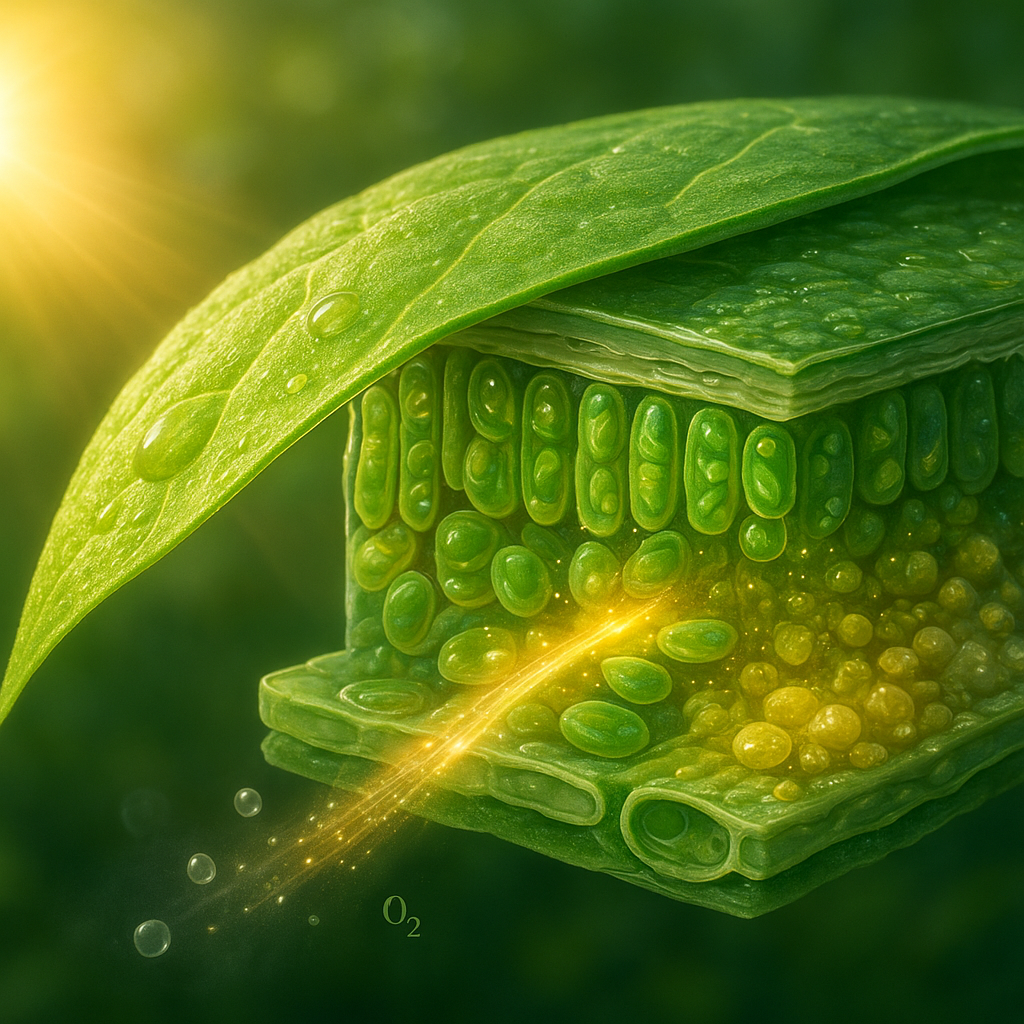
Photosynthesis is the remarkable process by which green plants, algae, and some bacteria convert sunlight, carbon dioxide, and water into glucose and oxygen. This fundamental biological mechanism powers nearly all life on Earth by producing energy-rich food and releasing life-sustaining oxygen. Occurring primarily in the chloroplasts of plant cells, it unfolds in two main stages: light-dependent and light-independent reactions.
The Basic Equation of Photosynthesis
The overall chemical equation for photosynthesis is 6CO₂ + 6H₂O + light energy → C₆H₁₂O₆ + 6O₂. This simplified formula shows how six molecules of carbon dioxide and six of water, fueled by sunlight, produce one glucose molecule and six oxygen molecules. In reality, the process is far more complex, involving multiple steps within plant cells.
Reactants: Carbon dioxide from air, water from soil, and sunlight.
Products: Glucose for plant energy and oxygen for respiration.
Site: Chloroplasts, organelles packed with green pigment chlorophyll.
Light-Dependent Reactions: Capturing Sunlight
These reactions occur in the thylakoid membranes of chloroplasts and require direct sunlight. Chlorophyll absorbs light energy, exciting electrons that split water molecules in a process called photolysis. This releases oxygen and generates energy carriers ATP and NADPH, which power the next stage.
- Light hits photosystems II and I, boosting electrons.
- Water splits, providing electrons and releasing O₂.
- Energy forms ATP via chemiosmosis and NADPH by electron transport.
For example, in a sunlit leaf, this stage bubbles oxygen into the air, visible as gas exchange in aquatic plants like Elodea.
Light-Independent Reactions: The Calvin Cycle
Also known as the dark reactions, these take place in the chloroplast's stroma and don't need light directly. Using ATP and NADPH from the previous stage, enzymes fix carbon dioxide into a three-carbon sugar (G3P), which forms glucose. The cycle regenerates its starting molecule, RuBP, to continue.
Carbon fixation: CO₂ binds to RuBP via Rubisco enzyme.
Reduction: ATP and NADPH convert intermediates to sugars.
Regeneration: Unused G3P rebuilds RuBP for more cycles.
In crops like wheat or corn, this stage efficiently stores energy as starch, harvested for food.
Factors Influencing Photosynthesis Rate
The process speed depends on light intensity, CO₂ concentration, temperature, and water availability. Too little light slows electron excitation, while excess heat denatures enzymes. Stomata, tiny leaf pores, regulate gas exchange but close in drought, limiting CO₂ intake.
Example 1: Greenhouse plants thrive with optimized CO₂ and LED lights.
Example 2: Desert cacti use CAM photosynthesis at night to conserve water.
Example 3: Algae in ponds bloom rapidly in nutrient-rich, sunny waters.
Importance and Real-World Impact
Photosynthesis sustains food chains, generates 90% of Earth's oxygen, and sequesters carbon to combat climate change. Without it, oxygen levels would plummet, and complex life couldn't exist. Human innovations, like artificial photosynthesis for fuels, mimic this green miracle.
Conclusion: Nature's Solar Engine
Photosynthesis masterfully transforms sunlight into life-sustaining energy through coordinated light and dark reactions. Understanding its steps highlights the ingenuity of nature and inspires sustainable technologies. Next time you see a thriving plant, remember it's quietly fueling our world.