What Is the Human Eye? Anatomy and Functions
Discover the human eye's anatomy, functions, and key roles in vision. Explore its structure, how it works, common issues, and care tips for optimal eye health in this comprehensive guide.
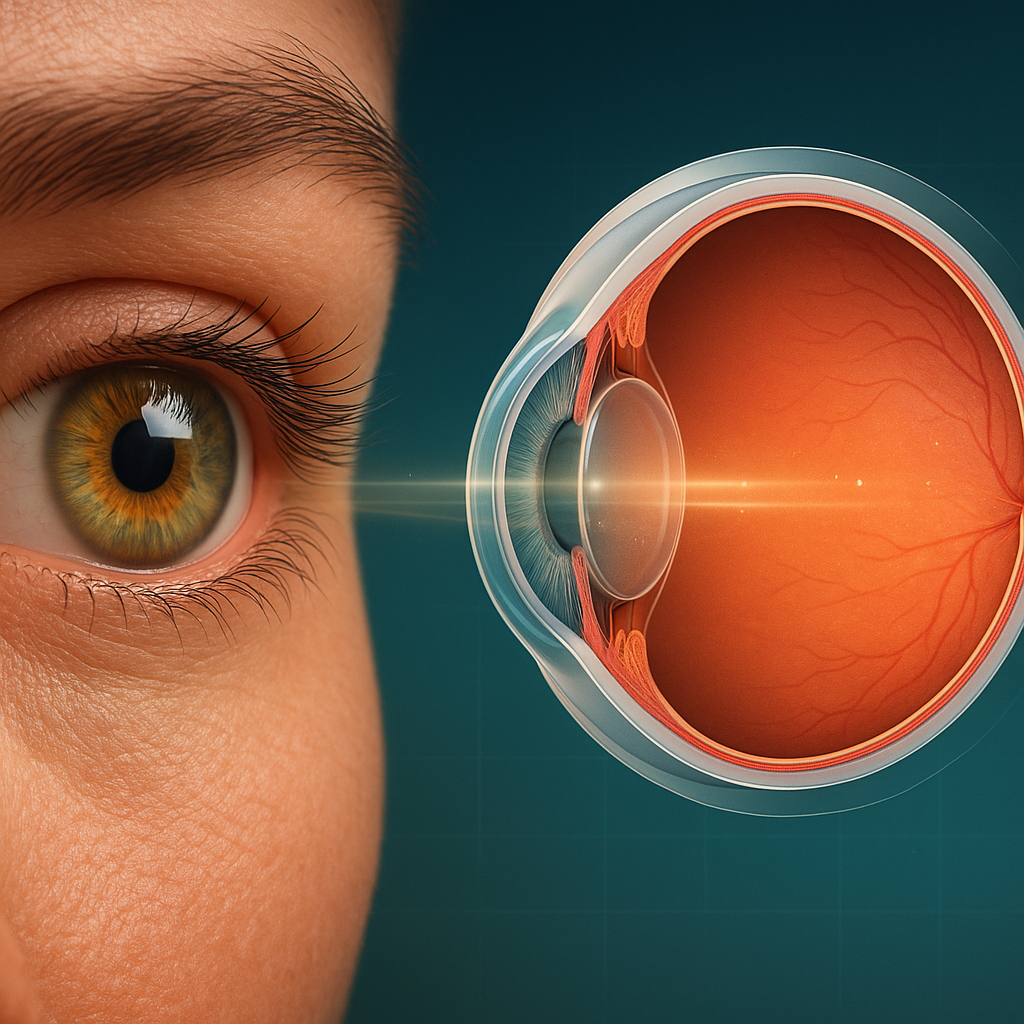
The human eye is a remarkable organ that enables vision, allowing us to perceive light, color, and shape in our surroundings. This complex structure works like a camera, capturing images and sending them to the brain for interpretation. Understanding its anatomy and functions reveals why it's often called the 'window to the soul.'
Anatomy of the Human Eye
The human eye consists of several key parts that work together seamlessly. The cornea, the clear front surface, bends incoming light. Behind it lies the iris, which controls the size of the pupil to regulate light entry, while the lens further focuses light onto the retina at the back.
Retina: A light-sensitive layer containing millions of photoreceptor cells called rods and cones.
Optic nerve: Transmits electrical signals from the retina to the brain.
Vitreous humor: A gel-like substance filling the eye, maintaining its shape.
How Vision Works in the Eye
Vision begins when light enters the eye through the cornea and pupil. The lens adjusts its shape—a process called accommodation—to focus light precisely on the retina. There, rods detect low light and motion, while cones enable color vision and detail.
Photoreceptors convert light into electrical impulses, which travel via the optic nerve to the brain's visual cortex for processing. This intricate system allows for depth perception and rapid adaptation to changing light conditions.
Key Functions Beyond Basic Sight
While primarily for vision, the eye serves multiple roles. It helps maintain balance through connections with the inner ear and aids in non-verbal communication via expressions. The eyes also regulate circadian rhythms by detecting light cycles.
Color discrimination: Cones distinguish red, green, and blue hues, essential for identifying ripe fruits or traffic lights.
Peripheral vision: Detects movement outside the central focus, aiding in predator avoidance.
Tear production: Lubricates and protects the surface from debris and infection.
Real-World Examples of Eye Capabilities
Animals showcase the eye's versatility. Eagles have vision eight times sharper than humans, spotting prey from miles away due to a high density of cones. Humans excel in color vision, crucial for artists mixing pigments accurately.
Deep-sea fish: Possess eyes adapted for low light with oversized pupils.
Chameleons: Independent eye movement for 360-degree vision, perfect for hunting.
Common Eye Issues and Care Tips
Problems like myopia (nearsightedness) or cataracts can impair function, often due to aging or genetics. Regular check-ups detect issues early. Protect eyes with UV sunglasses and the 20-20-20 rule: every 20 minutes, look 20 feet away for 20 seconds.
Conclusion
The human eye is an engineering marvel, blending anatomy and neurology for vivid perception. By appreciating its functions and maintaining care, we safeguard this vital sense. Prioritize eye health for a clearer view of the world.