What Is Hypertension and How to Prevent It?
Hypertension, or high blood pressure, is a major health risk. Learn its causes, symptoms, complications, and proven prevention strategies like diet, exercise, and lifestyle changes to protect your heart health.
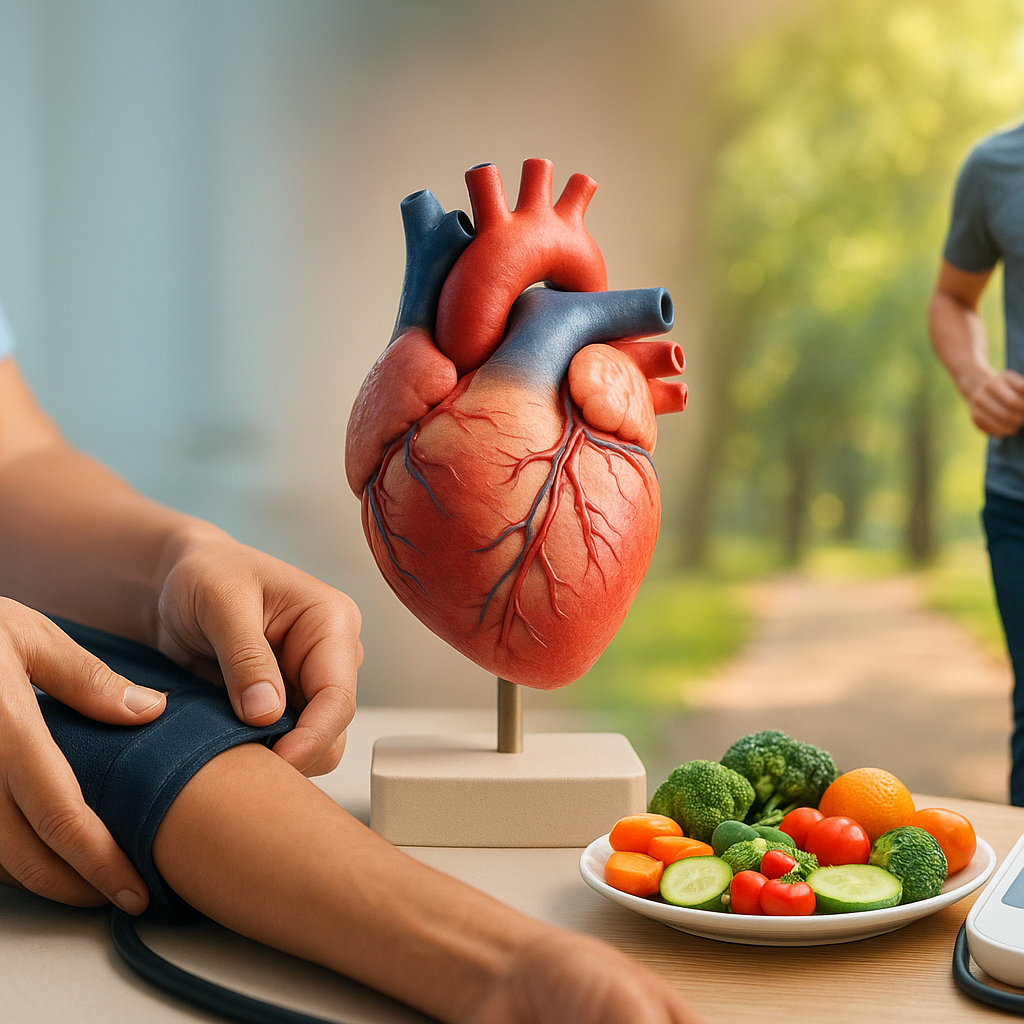
Hypertension, commonly known as high blood pressure, is a chronic condition where the force of blood against artery walls is consistently elevated. It often develops without noticeable symptoms, earning it the nickname 'silent killer' due to its links to heart disease, stroke, and kidney failure. Early detection and prevention through lifestyle adjustments are key to managing this widespread health issue affecting over 1 billion people globally.
Understanding Hypertension: Definition and Measurements
Hypertension occurs when blood pressure readings consistently exceed 120/80 mmHg. The top number, systolic pressure, measures force during heartbeats, while the bottom, diastolic pressure, reflects force between beats. Normal pressure is below 120/80, stage 1 hypertension ranges from 130-139/80-89, and stage 2 is 140/90 or higher. Regular monitoring with a home cuff or doctor's visit helps track it accurately.
Causes and Risk Factors of High Blood Pressure
Primary hypertension has no single cause but stems from genetics and environment. Secondary hypertension results from underlying issues like kidney disease or thyroid problems. Key risk factors include advancing age, family history, and poor diet.
Obesity: Excess weight strains the heart, raising pressure.
High salt intake: Sodium causes fluid retention, increasing blood volume.
Lack of exercise: Sedentary lifestyles contribute to artery stiffness.
Smoking and alcohol: Both damage blood vessels over time.
Stress: Chronic stress triggers hormone release that elevates pressure.
Symptoms and Potential Complications
Most people with hypertension experience no symptoms until severe stages. When present, signs include headaches, shortness of breath, nosebleeds, or dizziness. Untreated, it leads to serious issues like heart attack, stroke, aneurysm, or vision loss. Routine screenings are vital since symptoms rarely appear early.
Effective Prevention Strategies for Hypertension
Preventing hypertension focuses on modifiable lifestyle factors. Adopting the DASH diet (rich in fruits, vegetables, and low-fat dairy) and regular physical activity can lower risk by up to 30%. Quitting smoking and moderating alcohol also play crucial roles.
Healthy diet: Limit salt to under 2,300 mg daily; emphasize potassium-rich foods like bananas and spinach.
Exercise regularly: Aim for 150 minutes of moderate activity weekly, such as brisk walking or cycling.
Maintain weight: Losing 5-10% of body weight if overweight reduces pressure significantly.
Manage stress: Practice meditation, yoga, or deep breathing daily.
Monitor blood pressure: Check at home and during annual check-ups.
Real-world example 1: The Framingham Heart Study showed that lifestyle changes prevented hypertension in at-risk groups.
Real-world example 2: Japan's low-salt diet culture correlates with lower national hypertension rates.
Real-world example 3: Programs like the U.S. National Heart, Lung, and Blood Institute's initiatives have reduced prevalence through education.
Conclusion: Take Control of Your Blood Pressure
Hypertension is largely preventable with consistent healthy habits. Small changes like better eating and more movement yield big results. Consult a healthcare professional for personalized advice and regular screenings to stay ahead of this condition.